
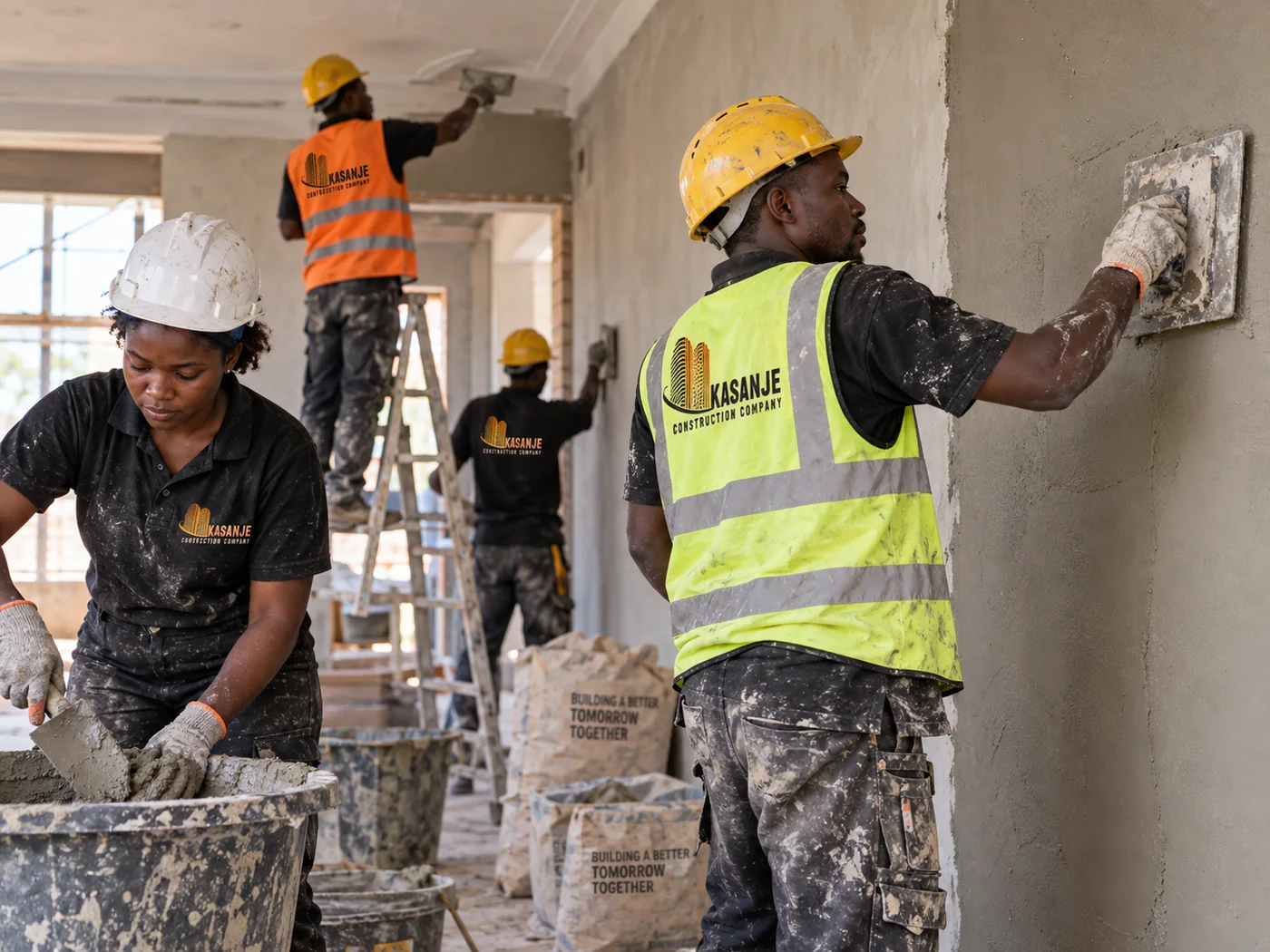
The cost of building a house in Uganda depends on the project’s size, design, site conditions, materials and finishes. Whether you are building in Kampala, Wakiso, Mukono or elsewhere in Uganda, understanding these details helps you prepare a realistic budget.
This guide explains how to plan and manage your spending. It does not provide fixed prices: a useful estimate needs to reflect your drawings, scope of work and site conditions.
Start With a Clear Construction Brief
Before asking a contractor for a price, write down what you want to build. Include:
- The location and approximate size of the house
- The number of bedrooms and other rooms
- Parking needs and preferred style
- How you expect to use the building
- Your budget range and preferred completion period
If the project is a renovation, list the rooms or areas that must change. A clear brief gives the builder something specific to price and makes it easier to compare proposals.
Check the Site Before Setting Your Budget
The site deserves as much attention as the house itself. Check access for delivery trucks, existing structures, neighbouring properties and space for storing materials. Look at where water flows during heavy rain.
Uganda’s climate makes drainage, roof detailing, ventilation and moisture control important planning considerations. Discuss the drawings and site conditions with the construction team before ordering materials. Changes are usually easier and cheaper to make on paper than after work begins.
Prepare a Detailed Construction Budget
To understand house building costs in Uganda, compare quotations for the same scope and quality level rather than choosing only by the lowest total. Ask for quantities where possible, especially for major materials and work packages.
Break the budget into clear stages:
- Site preparation and foundation work
- Structural work
- Roofing, doors and windows
- Plumbing and electrical work
- Finishes
- External works
Make clear whether furniture, appliances, landscaping and future extensions are included. Keep a reasonable contingency for unexpected work.
A useful budget is not simply a low number. It should match the scope, quality level and conditions of the project.
Choose a Builder With Clear Working Arrangements
The builder you hire can influence the quality, pace and day-to-day management of the project. Ask to see relevant completed work and discuss who will supervise the site.
Find out how the contractor will coordinate with architects, engineers, quantity surveyors and specialist trades. Written agreements should explain payment stages, materials, timelines and responsibilities.
Choose a team that answers questions clearly and records important decisions, rather than relying on verbal promises.
Balance Material Choices and Workmanship
Quality does not mean buying the most expensive product. It means choosing materials that suit their intended use and installing them correctly.
Cement, steel, timber, roofing products, tiles, paint and plumbing components need suitable handling and storage on site. Even a good material can give a poor result if it is installed badly.
Arrange inspections at key stages, especially before work is covered by plaster, concrete, ceilings or finishes. This helps identify problems while they are still accessible.
Coordinate Construction Stages and Payments
Most projects begin with site preparation and foundations, followed by the structural shell, roofing, doors and windows, services, finishes and external works. The exact sequence may change with the building and weather.
The aim is to coordinate work so that one trade does not repeatedly undo another trade’s work. A clear schedule also helps you plan deliveries, inspections and payments.
Use a written payment schedule linked to agreed stages. Before paying an instalment, confirm what work has been completed. Payments should follow measurable progress rather than pressure.
Record Changes Before Work Proceeds
Many construction disagreements begin with assumptions. Keep approved drawings, quotations, material specifications, payment records and agreed changes in one place.
If you want to change a tile, window, wall position or finish, ask how it affects the price and timeline before approving it. Changes that affect the structure should also be reviewed for their structural impact.
Written approval gives everyone a clear record and helps the contractor plan instead of reacting to last-minute instructions.
Consider Long-Term Value
Look beyond how the house will appear on completion day. Consider maintenance, ventilation, natural light, drainage, protection from water, electrical capacity and possible future changes.
For a rental property, think about tenant needs, durable finishes and ease of maintenance. For a family home, consider how the household may change over the next several years.
These choices help you assess value alongside the initial construction cost.
Use Local Knowledge Alongside Professional Planning
In Kampala and surrounding districts, site access and neighbourhood conditions can affect delivery schedules and working space. A contractor familiar with local suppliers can help plan deliveries and suggest practical alternatives when a product is unavailable.
Local knowledge is useful for transport, trades and communication. However, it should support professional planning and clear documentation, not replace them.
Allow Time for Final Checks
A house can look almost complete while still needing testing, cleaning, adjustments and minor repairs. Allow time for these tasks before treating the project as finished.
- Check whether doors need alignment.
- Check plumbing for leaks.
- Have electrical installations tested by appropriate professionals.
- Observe drainage during rain where possible.
- Record any remaining work and agreed corrections.
Frequently Asked Questions
What affects the cost of building a house in Uganda?
The size and design of the house, site conditions, material choices, finishes and scope of work all affect the budget. Access and delivery arrangements also need to be considered when preparing quotations.
What should I check before starting construction?
Review the site, drawings, scope, budget, required approvals, access and drainage. Agree on materials and clarify each person’s responsibilities before work starts.
How can I control building costs?
Use a detailed scope or bill of quantities, compare quotations on the same basis and approve changes in writing. Track payments against completed work and keep a contingency for unexpected costs.
How do I choose a contractor in Uganda?
Compare relevant experience, completed projects, communication, supervision arrangements, written quotations and contract terms. Do not choose only by the lowest price.
Why is site supervision important?
Supervision helps check workmanship, measurements, materials and construction stages before problems become hidden or more expensive to correct.
Can I change the design during construction?
Changes are possible, but their cost, structural impact and effect on timing should be reviewed before the contractor proceeds.
Build With a Clear Plan
Start by collecting your land documents, drawings or design ideas, budget range and preferred completion period. Then speak with suitable professionals and request a clear scope of work.
Avoid committing to a price before the scope is understood. With a realistic budget, documented decisions and checks at important stages, you can manage spending more clearly without overlooking safety or quality.