
House plastering basics
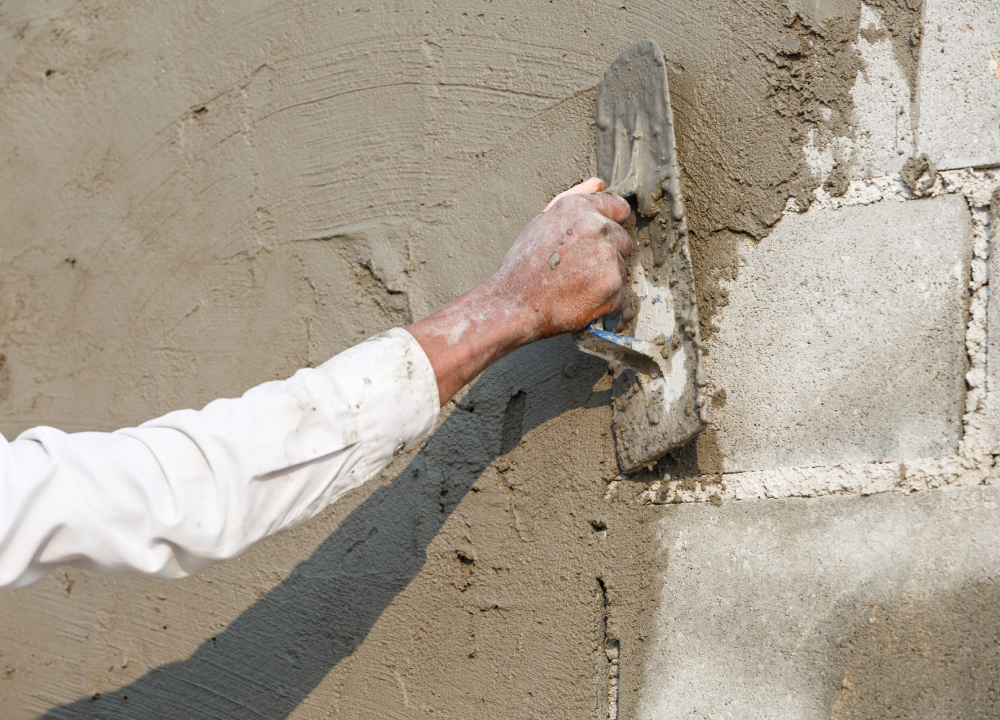
Plastering creates a smooth surface on walls and ceilings, ready for decoration. The right approach depends on the condition of the existing surface and the finish you want.
Check the surface first
Before plastering, check for loose material, cracks and signs of damp. Covering a problem does not fix its cause. Damp or damaged areas may need attention before any new plaster is applied.
Existing plaster also needs to be assessed. A sound surface may be suitable for a thin skim coat, while loose or failing plaster may need to be removed.
Prepare the room and walls
Good preparation helps protect the room and provides a suitable base for plaster.
- Move furniture away from the work area and protect floors.
- Remove loose wallpaper, flaking paint and unstable material.
- Make sure the surface is clean and prepared for the chosen plaster system.
Allow time before decorating
Plaster needs to dry before painting or wallpapering. Drying time varies with the material, its thickness and room conditions, so avoid relying on a fixed timetable.
Follow the plaster and paint manufacturers’ instructions when preparing the finished surface for decoration. If you are unsure about the condition of a wall or ceiling, seek advice before starting work.